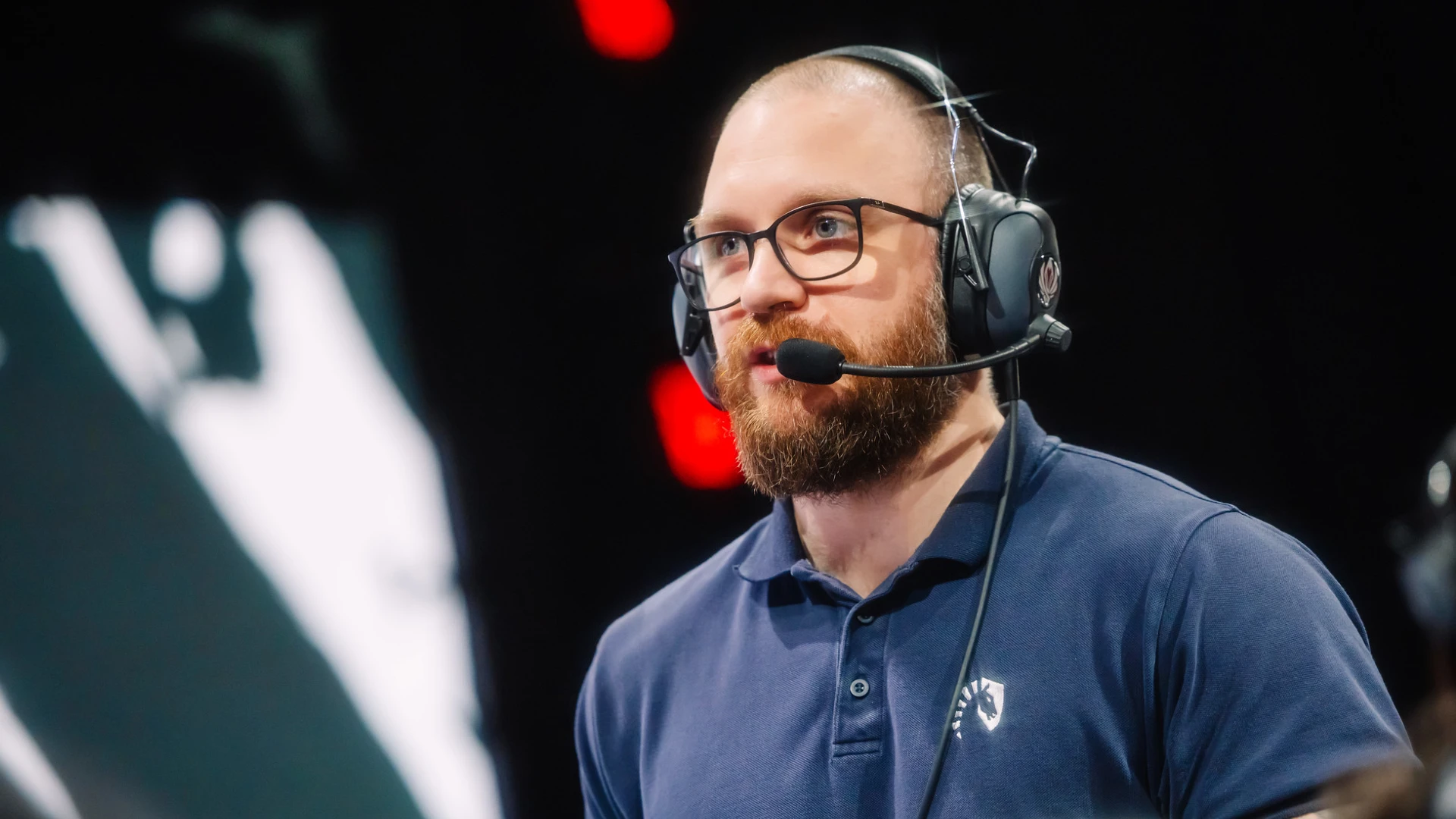
DIG Swiffer: “I think if you actually lose as much as we have, […] you’re not trusting yourself, and you’re not trusting your own calls in the game.”
Q: There’s two things to talk about: Game 1 DIG and Dardoch. Where do you want to start?
Swiffer: They’re contesting for first place in my head. Probably Game 1.
Q: Okay, why does DIG usually win — or look much better — in Game 1 and then sprint Games 2 and 3, even before Dardoch?
Swiffer: Yeah, I think that our read and our prep for what’s available in game one is always good. I think that there’s a very easy way, when you load into it, and you have a very… good idea about how everything’s going to progress in terms of draft, in terms of win condition, everything like that. It’s very, very predictable.
And then you have, I mean, you have the entire week in between, but you can’t quite prepare for every situation. I think the adaptation from game to game is pretty like below average — not just in terms of draft, but I think in terms of like play, like changing win conditions, not being able to identify like maybe less comfort on the champions that we’re playing, so you’re not able to identify as many opportunities, these types of things.
I think we get kind of maybe too excited after we win Game 1; like it’s very difficult to bring it down, and I think that we make much worse plays in the next games.
Q: I’m surprised, though. These aren’t issues I’d expect from players with their… pedigree? Do you know what I mean? It’s more of a rookie/early career issue, right?
Swiffer: I think that if this was the beginning of the year, I don’t think I would be able to make this argument. But I think if you actually lose as much as we have, your confidence also plummets.
There’s a lot more hesitancy, and you’re waiting a lot more for somebody else to make a call to do something. So you’re not trusting yourself, and you’re not trusting your own calls in the game. So you’re missing opportunities, and then you know that you’ve missed opportunities because you have the experience to know that you’ve missed them.
Q: There’s a couple of plays that come to mind, specifically from Palafox —
Swiffer: — yeah. The TP on Annie?
Q: Right, and the time he got hit by a Renata Handshake as Anivia right after calling that he needed to play safe in mid. They’re not mistakes I’d expect from Palafox. I thought Dardoch would be fiery enough to re-ignite a level of confidence.
Swiffer: He’s fiery enough. I think that he’s fiery enough, as in he definitely doesn’t hold back. He probably does hold back, but he’s still, he’s very straightforward. With feedback and everything like that. Obviously, it’s so funny because you know, I’m kind of sidetracking this, but I’ll come back to the main point or the main question. It’s kind of funny that when you join a team, it’s like this — what do they call it? It’s like a honeymoon phase, right?
And I think that if you join a team that isn’t winning a lot in scrims, it almost feels like you’ve been with the players longer. Like the problems come out much, much earlier than if you were winning, right? And it feels like they already have — because we haven’t been winning a lot of scrims. It’s like we speed-ran the grace period and now we’re just in the phase where it’s like, “Okay, we need to kind of just sort this shit out.”
Q: Do you think the solutions can start this quickly, though? Next week is critical.
Swiffer: Well, it already has started. Like this phase started basically at the beginning of this week or after the first day, as in the solution phase. It hasn’t really come through in the gameplay yet.
Q: What kind of solutions have you guys found?
Swiffer: A lot of the things, like if you watch Game 3 back quite critically, or if they release comms or something like that, what you’re going to find is a lot of ideas, and then not a lot of actionable implementation. I’ll pick one from the game. We just got all their summs on bot lane in a 2v3 when Skarner ganked.
We have Aurora TP, Vi behind coming down to the bot side, and have wards behind them; Rumble doesn’t have TP. We say we have Aurora TP, and then there’s nothing done. It’s just, have this thing, this is a good setup and then nothing. And then it’s flat, and we don’t want to take risks. And I think that’s like, honestly, it’s just really low confidence.
Q: Is that one more like the Christian thing, by the way, the thing that you were talking about earlier?
Swiffer: I think one of the issues [for Palafox] is thinking about too many things that are not related to him — so it’s overloading what a midlaner needs to be thinking about in the game. He’s worried about other people’s responsibilities; he’s worried about the other roles in the game. To an extent, everyone has fallen victim to that on this team.
Because, I mean, it’s obvious: You can’t have trust in your teammates if you think that they’re losing you every game. So you have a critical eye on them, and you’re not thinking about what you’re doing or what the enemy team is doing.
Q: It’s surprising, though — Dardoch mentioned that the big problem last week was an abundance of ideas and decision paralysis. It sounds like the problem has changed now.
Swiffer: I think there’s a lot more space in the game now for people to say things.
We have three cooks on the team, right? Three chefs rather. This week, we had one, sometimes two, and it feels like things in comms float a lot easier. But now it’s just a matter of trusting the vision that you see in the game.
Q: If that’s the issue, then, is the play to just book 5 NACL scrims and build confidence by stomping?
Swiffer: I think that a mix is always good. I think that we shouldn’t probably scrim the top-end teams towards the end of the week. Right. I just think that right now, especially if you play a team like TL, they’re so confident in their plays at the moment. They just turn up, and they force you to play them. And if you’re not confident in your ability, they just run over you in the game. And so that’s a real confidence drainer.
But it’s also good to show on the flip side, because I like reviewing when they get stomped like that. An anger of like, how is this happening? But it’s also, look at what they’re doing when they have the same position that we have. Like our games take a methodical approach and are pretty low-pressure on the enemy team. Like we’re not really pressuring the enemy team a lot to make decisions.
As soon as they get a lead, they’re in your face. They’re like, are you going to do this or are you going to do this? And then they know the response because they’re giving you a choice between two things, and we’re never giving them a choice. We’re always responding. The reason that you wouldn’t completely skip those teams is you want to understand how to progress the game, and you can feel that a lot from playing against those teams.
Q: This has always confused me, though. Does DIG really benefit from another week of discussing this stuff when the players already know so much about the game? Does it really help to get rolled by top teams in scrims when your opponents are DSG and SEN and you mainly lack confidence?
Swiffer: We can play against a bad team and win, right? But we, even if we get ahead against TL, they make us work for every step of it. And so it actually forces us to play properly. And it’s not like Sen or DSG are gonna play the same way that they are. But it’s just a higher level of play.
Q: That makes sense. Now that I think about it, does beating a bad team in scrims even give the players confidence?
Swiffer: Not particularly. In fact, I would argue that a lot of the time, if you even lose a game, it completely blows up the team, because it’s also ego.
Q: Dardoch’s been really impressive — how has it been working with him?
Swiffer: I think he’s got a firm idea about the game. I think that he came in to solve a lot of the problems that we had around structure. I think he’s doing a pretty good job of that, to be honest. For individual play, I always think there’s room for him to push himself, right? Obviously — otherwise you’d just be the best player in the world.
I think that the best thing about him is that the players can kind of just unite behind the decision that’s made. And I think that sometimes he might occasionally lose his patience with how he makes the call versus what is done in the game. But I think that that’s always bound to happen when you’ve only been playing for two weeks.
Q: It’s almost like what could have been if the team had a little more time. It’s always the case, isn’t it? I feel like, historically, whenever a promising DIG team starts to ramp up, there’s just no time; it’s just …
Swiffer: Just too late.
Q: Do you have any message for Dig fans?
Swiffer: Guys, I know it’s been rough. This week is the one that we need to win. We’re going to come in all guns blazing. No regrets. We’ll get the wins.
Transcription assistance from @millietxt
Header Image Credit: Riot Games