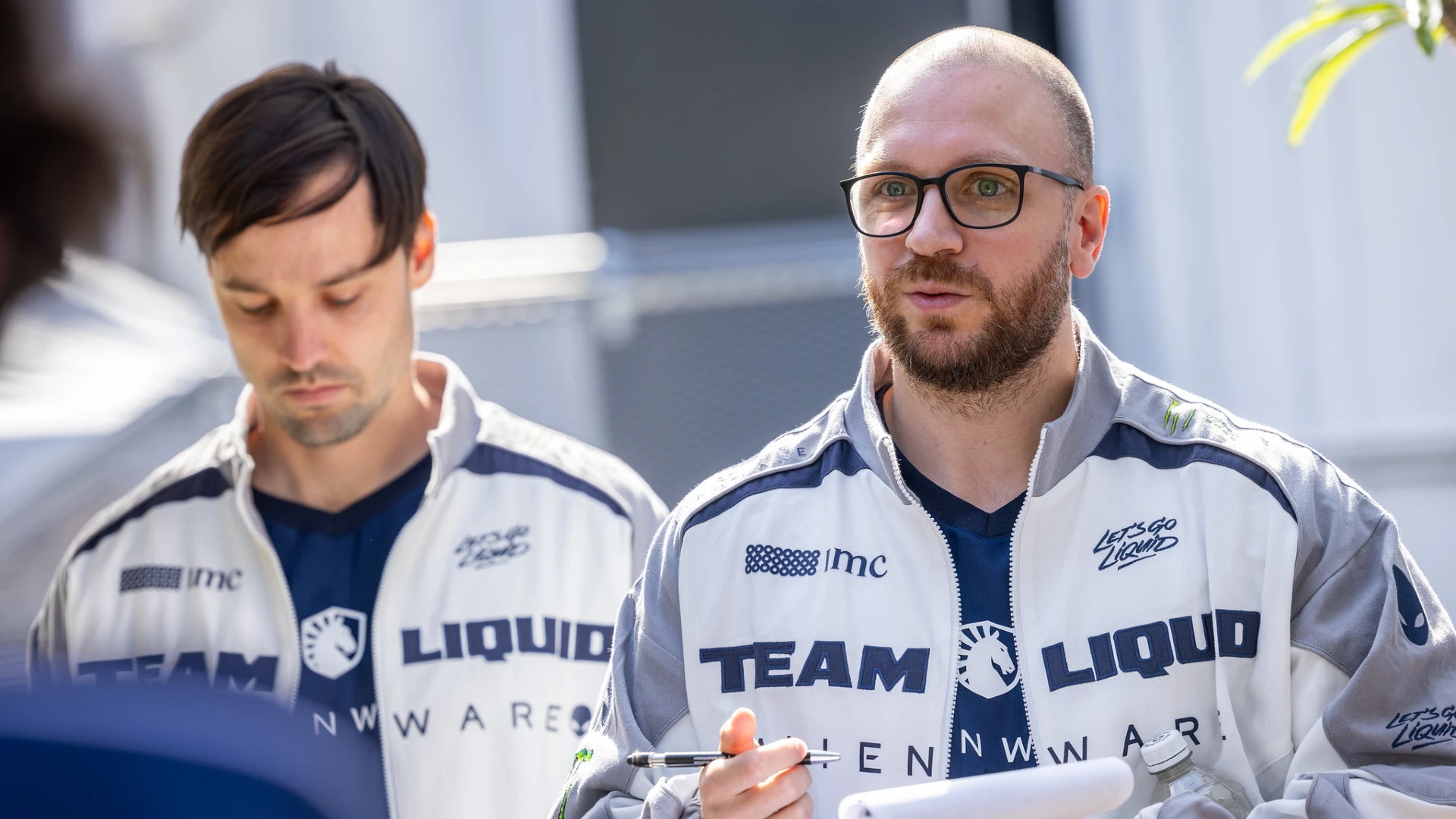
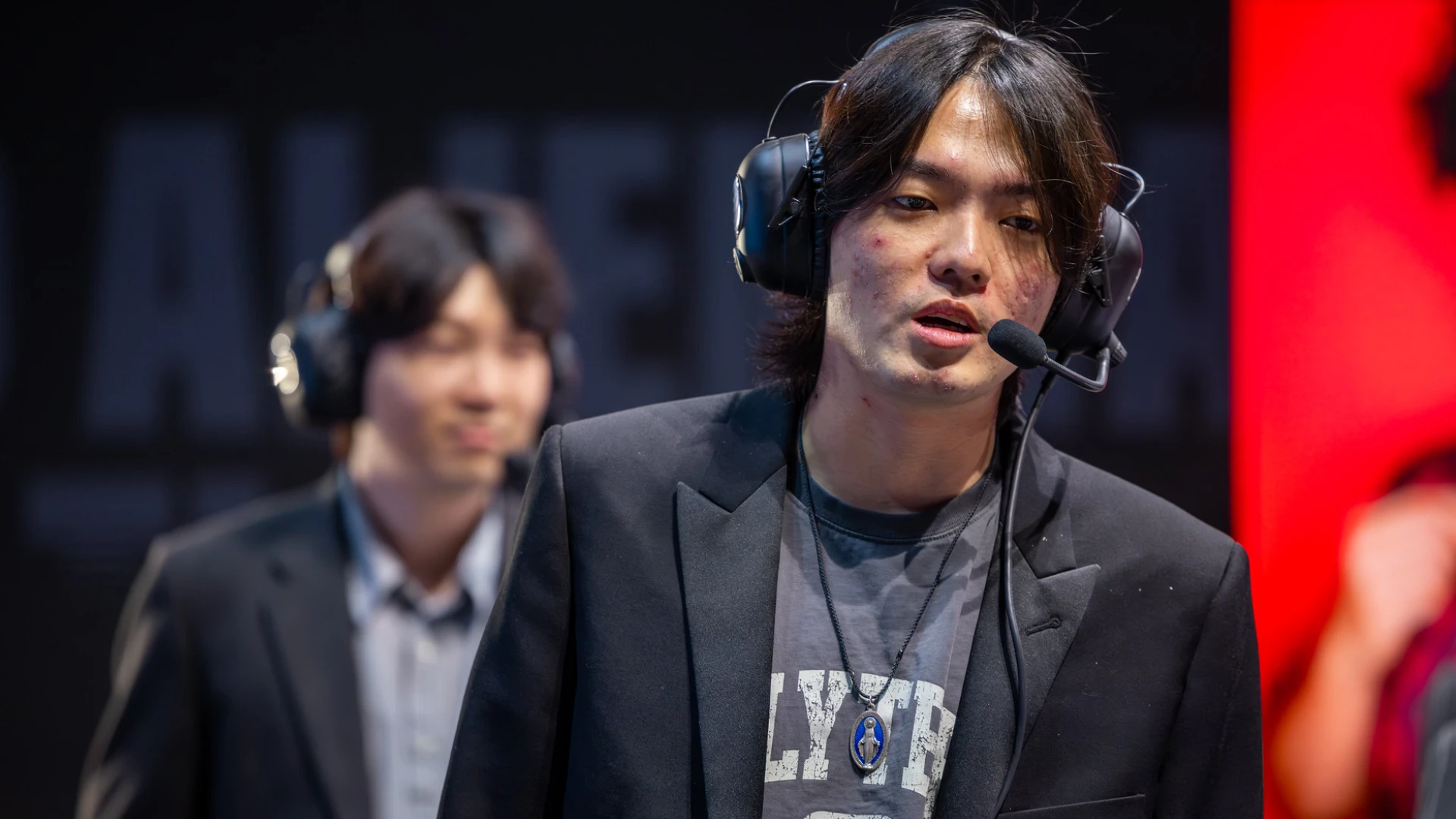
DIG Swiffer: “[eXyu] had a lot of pressure on himself, and […] he really tried to overcompensate for it by doing whatever.”
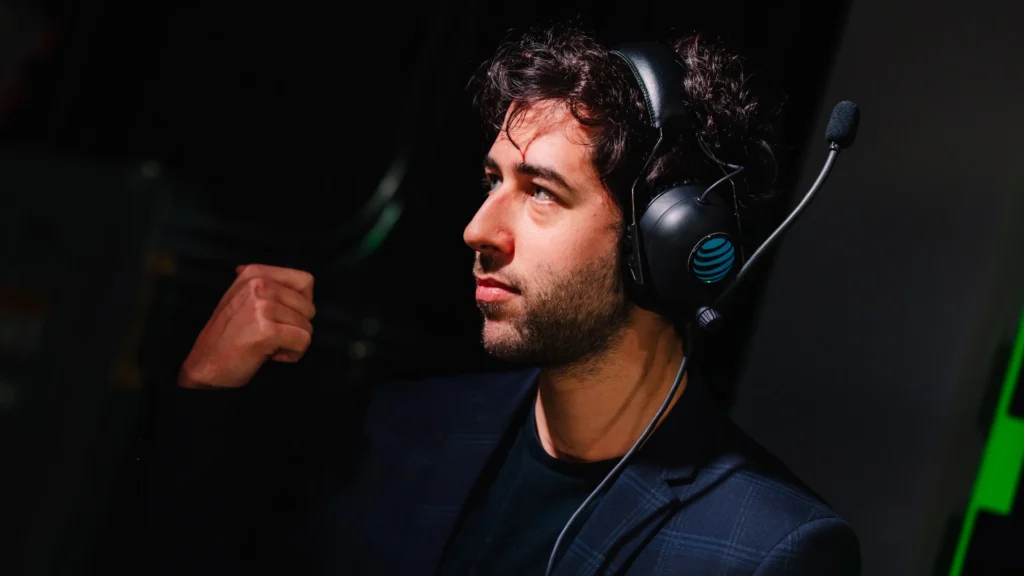
Q: It’s been hard to rate DIG, considering you’ve now taken games off all the top teams — how’s the team feeling despite being at the bottom of the standings?
Swiffer: Interestingly enough, we actually thought we were going to win today. I mean, I guess most teams do when they come into it, but morale was high. Scrims were good. um We’ve actually felt like we’ve been on the up and up.
The issue is, it’s kind of the same story every week. Like TL, we lost 2-1, FLY, we lost 2-1. Oh no, we got 2-0ed, but the games were close. LYON, we lost 2-1. C9, we lost 2-1. It just feels like…
We’re competing against the teams. They’re just more consistent than us.
Q: In the game you won, eXyu won player of the game — he gets a lot of criticism for his play, and he’s shown a lot of potential, but as the pressure ramps up are you concerned about how he’ll handle the critics? More than Palafox, who seems fueled by them, eXyu seems more liable to take it to heart.
Swiffer: I actually think he put a lot of… like, he’s said this, I think he’ll corroborate it. He felt like at the beginning of the year, especially, this was the team that he had the most faith in doing well.
Which is, you know, you can understand why. He had a lot of pressure on himself, and I think he just felt like the weak link. And he really tried to overcompensate for it by doing whatever.
As an example, the first series against SR, right? It was just overplay, overplay, overplay, overplay. I think in the last three weeks, actually, he’s really found his rhythm. I think he’s run most of the early games when given the opportunity to do so. His understanding of how to affect meta matchups that need to be affected, his angles in the early game especially are actually incredibly good.
I think that as parts of the game, where he’s less experienced on, which is mid game and then the occasional team fight when he’s not feeling too comfortable on the champion. Every player has something. I think eXyu’s stability in the early game, or creativity in the early game, rather, has really been a driving factor of why we’ve been able to turn our scrims around. And I think he’s identified that role — well, we’ve identified that role for him.
And as long as he’s consistent on that, it’s like other people should carry more of the macro burden and everything later on in the game. Right. So it’s just inexperience, I think. I’m really happy that he’s actually able to show that confidence, especially in the early game on stage.
Q: What do you see as exploitable in SR and DSG? What does DIG do well enough to earn their spot in playoffs?
Swiffer: I guess I can talk more about DSG.
I think that they’re just… If the game plan goes awry, I just don’t think that they’re very good at adapting. I think if you are able to take initiative in their game, whether from draft or whether from just outplaying or whatever it is, I think that they find it really difficult to find the line that stabilizes the game, which lead to, probably, quick losses, right?
It changes in competitive, obviously, like teams are better at giving what they need to give and all that kind of stuff. That’s what I would say for DSG, which is also to be honest, like a fair criticism of us. I think that if we find ourselves in a line that we’re not really comfortable with also feels difficult to stabilize.
Q: Is this the same thing that Inspired said LYON struggles with? Playing well in the chaos?
Swiffer: Yeah. I think that the…
You have players, I’ll take FlyQuest’s roster from the previous year– They had players that were really, really good at adapting to different bits of information and knowing what they could do with it. So it felt really oppressive to play into. “This person shows here, I’m going to walk here.” I think that the current LYON roster, the current Inspired roster, I found their win condition by basically just team fighting. It’s none of the… Smarter macro play that like FlyQuest was infamous for.
I mean, I think it’s generally the easiest way to play. You forsake playing very difficult macro in favor of just playing the teamfight when you’re not confident in your ability to execute it or for players to get the level of information and use it appropriately. I think that’s what they’re doing as well.
Q: Historically, DIG would make changes after a split like this — even with the improvement you’ve shown. Clearly, you believe in the project, so does that mean you’re willing to keep the team together regardless?
Swiffer: Yeah, good question. Plans are, as current, to stick with the roster that we have. I think that the only issue that I foresee is that if we don’t make playoffs this split, because the results don’t reflect the improvement. They reflect a level of improvement, but it’s not enough.
The only worry I have is that the players lose faith in the project or one another. I think that’s where you’ll see potential tension. It’s the underlying reason for a lot of the swaps that happen, right? Very rarely is it mainly just a performance issue. It’s always, there’s always something else.
Q: If the goal is still to aim for Worlds, does that mean the team will keep scrimming through the break? Or head to a Korean bootcamp?
Swiffer: You definitely start thinking about the Korean bootcamp. The scrim issue in NA, especially as the playoff season ends, it just isn’t enough. There’s just not enough teams scrimming. So you can take a break, but basically, there’s a consensus date that most teams start up again. And you know, you can change it. It’s just that our team doesn’t hold a lot of sway.
It also depends on when you end, right? But the problem is, it’s like, okay, let’s say you don’t make playoffs, other teams, like…
You actually… I did this at the beginning, at the end of last split, sorry. We lost, we didn’t have the full roster, but we lost, like, we didn’t make playoffs. We stayed afterwards to play, but I could tell that… as much as… cause we missed out on the initial bootcamp experience just because of visa issues and whatnot, right? Other teams did. As much as I wanted to stay there and just practice, practice, practice, If you don’t have a goal, you lose the motivation. […]
I think the first week our read on the meta was pretty bad. I’ll take that on the chin, I’ll cop that one. I think the things that you need to practice in between are, because with every draft that you play, your win condition slightly shifts, but there are stable things in the game, right? It’s like, there will always be a dragon. There will always be like a Rift Herald, there will always be Grubs. If you have a tank, you can always lane swap. There’s always stable things in the game. I think our actual fundamental lines are just inconsistent, and that’s what I would work on primarily between now and, well, that’s what I will be working on next week. We will be working on next week.
It’s something that you will never be able to truly… You can always strive for perfection on it, and you will always have a stable game if you just play like that. You’ll be able to build from that, so that would be my plan unless things change.
Because I think we’re fairly good at creating leads early game, and then we’re not good at playing out the mid to late game that we should be able to get based on the leads that we get.
Q: Thoughts on LYON Castle?
Swiffer: I think Castle’s got, like, I think TL were also looking at Castle before they settled on Morgan, to be honest. The other thing is, I think Castle’s good at his matchups. I just don’t think he honestly has… Maybe no one has a lot of depth, but I don’t think he has a lot of depth. I think he’s very, very good on his champions. But I think you could almost say the same about most people, to be honest.
Q: Naak Nako’s probably the only top laner in the West without that problem. And Bwipo, maybe.
Swiffer: Yeah, I think I’d agree with that.
I genuinely think they– and I think it’s actually something that came out of FlyQuest’s Worlds documentary– where they said that they focused a lot on the individual, and it’s like the team play fell away. Basically, a lot of their criticism or feedback came to just play better, which is fine.
If you have that mentality, I think it’s only gonna get you so far. I think you actually do need to know how to play as a team really well.
Q: A lot of Inspired teams sometimes become, “Why can’t you guys just play as well as me?”
Swiffer: Yeah, I know. And I think maybe that just works, but I think it also doesn’t occasionally. And I think it’s a style, and maybe Dhokla is not hitting it at the moment, right? I think that it always gives…
Hmm. It’s a very easy way to scapegoat people, to be honest. And it also creates an environment where if you know you’re going to get canned for having bad individual play, you’re much less likely to take accountability for your actions, and you’re much more likely to blame somebody else for a mistake that you make.
Header Image Credit: Riot Games
Transcription Assistance: @misaagamizz